


 Built to grow with your business








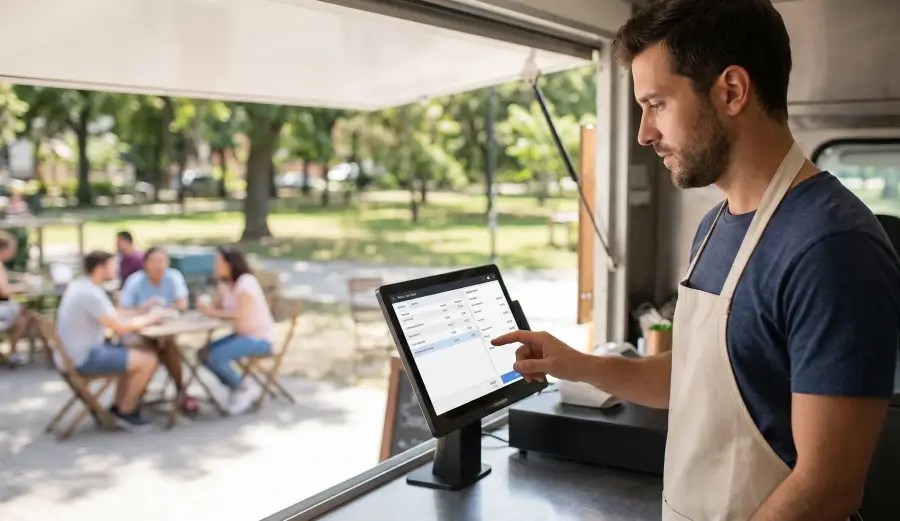
Whether you are launching a boutique retail shop or a mobile food truck, paying hefty monthly software fees isn’t always viable. Utilizing a free pos allows you to securely process payments, monitor real-time inventory, and analyze sales trends—all without paying a monthly subscription.
What is a Free POS & The Business Problem It Solves
A free pos system for small business provides essential checkout software at no upfront monthly cost. The primary problem it solves is the high barrier to entry for modern commerce. Instead of spending hundreds of dollars a month on software licenses before making your first sale, these platforms allow you to set up your register, add inventory, and start transacting immediately on a shoestring budget.
 Our top picks for May 2026
 9.9
9.9

 Keep track of your sales
Types of Free Systems: Freemium vs. Freeware
When evaluating the top free pos options on the market, you will encounter three distinct categories. Understanding the difference is vital for your long-term growth:
- Freemium Software Plans: This is the most popular route. Providers offer a robust free pos system app but make their revenue by charging you a percentage of every credit card swipe. It’s highly user-friendly and great for startups.
- Open-Source Freeware: A true freeware pos is software that is entirely free to download, modify, and use. While freeware pos systems give you the freedom to choose your own payment processor, a freeware pos system for small business requires significant technical expertise to install and maintain on your own servers.
- Free Hardware Placements: Some merchant service providers will give you a free pos machine (the physical card reader or terminal). However, this often requires signing a multi-year, binding contract for their payment processing services.
Niche Requirements: Is a Free System Enough for Your Industry?
Your specific business model dictates which features are absolute “must-haves” and whether a free solution will work for you.
Free Retail POS Essentials
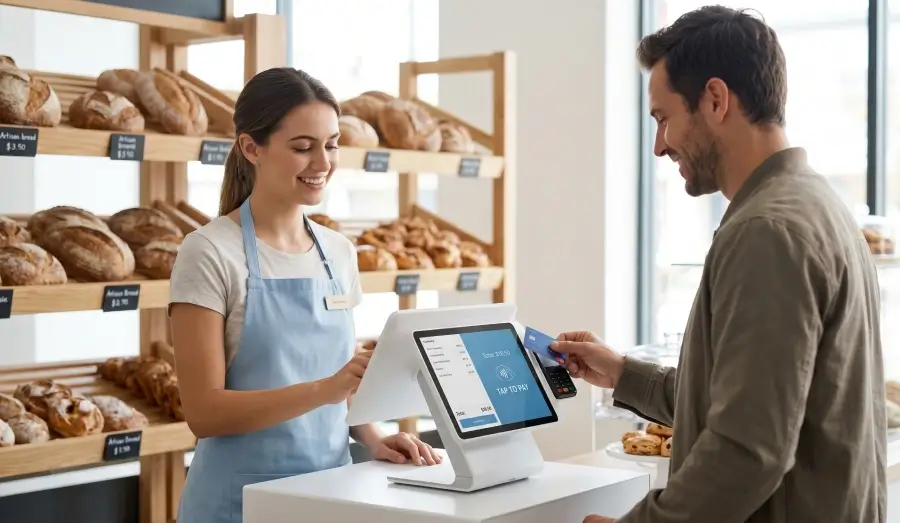
For standard retail, a free point of sale system should seamlessly integrate basic inventory management with barcode scanning.
- Inventory Variants: Ensure the free tier can handle color, size, and material variants (e.g., Small, Blue T-Shirt).
- Customer Profiles: The system must allow you to create basic customer profiles to capture contact information and track simple purchase history for future marketing efforts.
Free Restaurant POS Essentials
A free pos system for restaurant use must prioritize speed and specific operational workflows.
- Tipping Management: This is crucial. The software must allow customers to add tips digitally, and it should simplify tip pools for your staff.
- Modifier Support: Your staff needs to quickly select modifiers (e.g., “no mayo” or “extra shot”) from the menu without hassle.
- Ticket Printing: Ensure the free app can print orders directly to a kitchen printer or connect to a digital kitchen display system (KDS).
Most Recommended Free Point of Sales Systems 2026
What to Expect: Setup & Implementation Timeline
If you opt for a cloud-based app from a major provider, deployment is incredibly fast. You can create an account, upload your inventory list via CSV, and start ringing up cash sales the exact same day. If you order physical hardware, expect shipping to take 3 to 7 business days. Conversely, setting up open-source freeware pos systems can take an IT professional a week or more to properly configure and secure.
Operational Reality: Managing Day-to-Day on a $0 Budget
To maximize your Quality Score, it is essential to be transparent about the operational experience. A free system changes how you operate.
Inventory Count Limitations
Many companies offer a “free tier,” but the free software often limits the total number of items or “SKUs” you can manage. For businesses with vast or highly varied stock (like a large retail store), you might hit this cap surprisingly fast, forcing an upgrade.
Handling Cash Transactions
Remember, freemium companies (like Square or Toast) make their money when you process credit cards. However, free pos systems are still required to track all revenue. You can always use the free software to record cash sales and open a connected cash drawer. This ensures your sales reports are accurate, even if the processing company isn’t earning their fee on that specific swipe.
Potential Downsides & Side Effects (The “Catch”)
To make the best financial decision, you must be aware of how these companies turn a profit:
- Higher Transaction Fees: Because the software is free, you might pay a flat, premium rate (e.g., 2.9% + 30¢) for payment processing. If your sales volume gets too high, this becomes more expensive than a paid POS.
- Gated Functionality: Most free pos systems limit access to advanced tools. Features like employee payroll integrations, multi-location syncing, or granular inventory tracking often require a paid upgrade.
- Lack of Phone Support: Free tiers usually only include email or chat support, which can be stressful if your system goes down during a busy weekend rush.
Understanding Security and Compliance in Free POS Software
We take our reviews seriously, and security is a non-negotiable metric.
Does “Free” Mean “Insecure”? No. Major providers (the ones we recommend on this page) handle billions of dollars in transactions and utilize the same encryption standards for free users as they do for paid enterprise clients. However, freeware pos systems are different: the burden of security falls entirely on you. You must ensure your network is secure and that you are maintaining rigorous security protocols.
PCI Compliance is a Requirement, Not an Option Any small business that accepts credit cards—regardless of the size or cost of the system—must be PCI Compliant. When you utilize a reputable, fully integrated free point of sale system, the provider handles most of this “heavy lifting” for you. They securely encrypt data at the point of interaction.
Cost Analysis: Getting the Best Value
To ensure you are actually saving money, project your monthly sales.
- For Low-Volume Sellers: If you process less than $10,000 to $15,000 a month, free pos systems for small business are undeniably the most cost-effective choice.
- For High-Volume Sellers: If you surpass $15,000 a month in card sales, upgrading to a paid monthly plan that offers “interchange-plus” pricing will usually save you hundreds of dollars in processing fees, offsetting the software cost.
Buying Guide: How to Choose the Right Solution
- Match Your Industry: Review our specific restaurant/retail deep dives above and ensure the core free features align with your niche.
- Review the Hardware Requirements: Can you run the app on an iPad you already own, or do you have to buy proprietary screens from the vendor?
- Analyze Processing Freedom: Check if the system locks you into their built-in payment processor or if they allow third-party gateway integrations.
Our top picks for May 2026
Frequently Asked Questions
Q. Is a free POS system completely free?
A. The software itself carries no monthly fee, but you will always pay credit card processing fees to the merchant service provider every time a customer pays with plastic.
Q. How do I get a free point of sale machine?
A. Many payment processors offer a complimentary card reader when you create an account. For larger terminal screens, you usually have to sign a long-term processing contract to get the hardware for “free.”
Q. Are freeware POS systems safe to use?
A. Yes, open-source freeware pos is generally safe, but the burden of security falls on you. You must ensure your local network is secure and that you are maintaining PCI compliance when handling credit card data.
Q. Do these free platforms work for food service?
A. Absolutely. Many leading providers offer specialized free tiers specifically designed for food trucks, cafes, and quick-service restaurants, complete with basic table management and modifier menus.
Q. Can I use my own iPad or smartphone with a free POS system?
A. Yes! Most modern cloud-based free pos systems are designed as downloadable apps that work flawlessly on iOS or Android devices you already own. This “bring your own device” (BYOD) model is exactly how startups avoid paying for expensive proprietary hardware.
Q. Will a free POS still work if my internet goes down?
A. Many top free point of sale system apps feature an “offline mode.” This crucial feature allows you to continue ringing up cash sales and can even securely cache credit card data to be processed automatically as soon as your Wi-Fi or cellular connection is restored.
Q. What kind of customer support do I get with a free account?
A. Support levels vary heavily by provider. While you are saving money on software, free tiers typically limit customer service to email tickets, live chat, or self-serve community forums. If 24/7 dedicated phone support is a priority for your business, you usually need to upgrade to a paid tier.
