

Lightspeed AI Review (2026): The New “Intelligence Layer” for Retail & Hospitality
Daniel Zvi
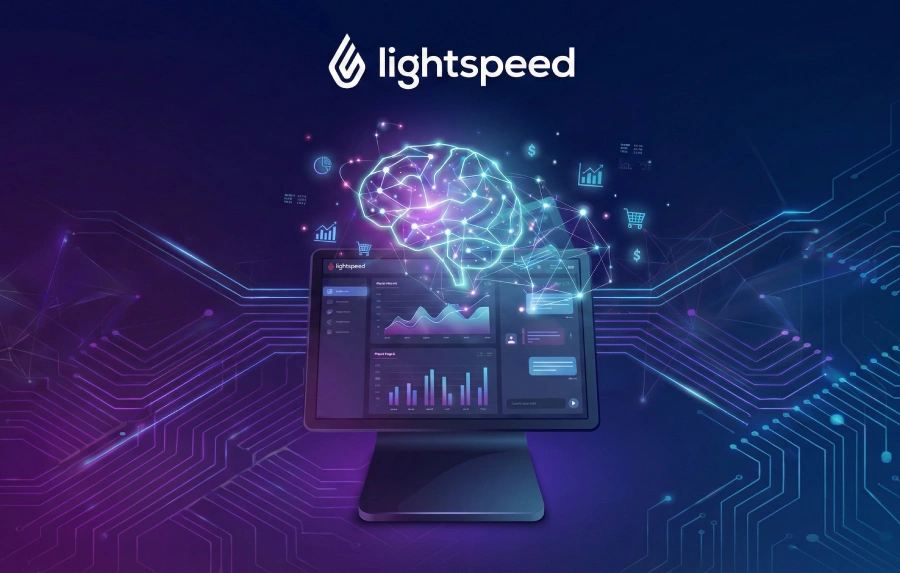
Lightspeed AI was officially launched on January 9, 2026, by Lightspeed Commerce Inc. It is a new "Intelligence Layer" embedded directly into the Lightspeed Retail, Restaurant, and NuORDER platforms. Unlike traditional analytics that require manual reporting, Lightspeed AI uses Conversational Commerce to allow merchants to ask natural-language questions (e.g., "What were my best-selling items last weekend?") and receive instant, actionable insights. It also features an AI Showroom that automatically generates SEO-friendly product descriptions and optimizes photos for online sales.
 Our top picks for April 2026
 9.5
9.5


 Inventory management
What is Lightspeed AI? (Core Features)
The days of digging through complex spreadsheets are over. Lightspeed’s latest update shifts the POS from a passive tool into an active partner. By integrating generative AI directly into the workflow, the system doesn't just record data—it explains it.
Here are the three pillars of the new system:
1. Conversational Business Intelligence
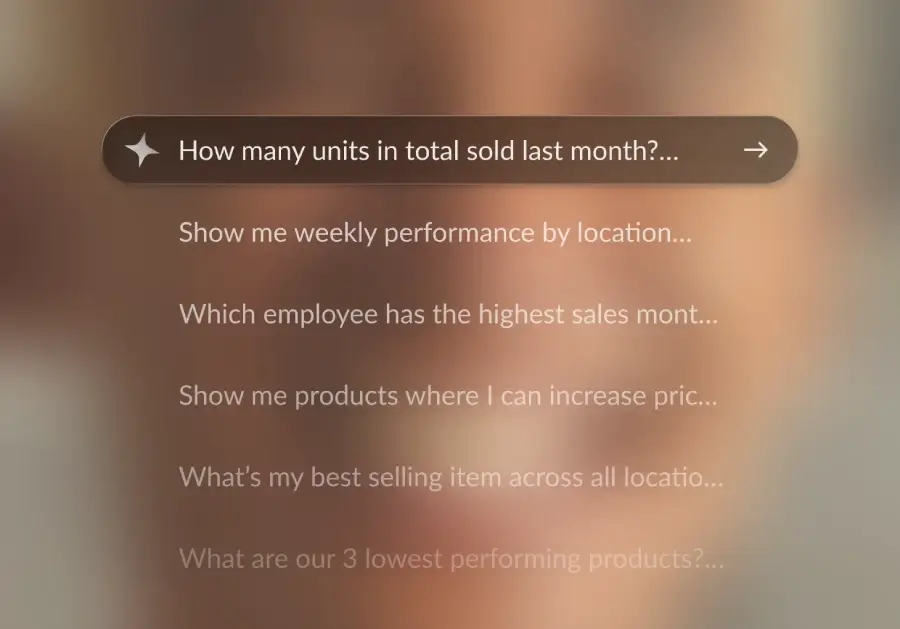
The core of the update is the ability to "talk" to your data. Instead of navigating through backend menus to find a specific report, merchants can simply type prompts into the POS interface.
- How it works: You ask, "Which menu items have the highest margin?" or "Show me inventory that hasn't sold in 30 days."
- The Result: The AI instantly visualizes the data and provides context, saving managers hours of weekly reporting time.
- Why it matters: It democratizes data. You don't need to be an Excel wizard to understand your business health; you just need to know what to ask.
2. The AI Showroom (Instant E-Commerce)
For brick-and-mortar retailers, the hurdle to selling online has always been the time required to digitize inventory. Lightspeed AI removes this friction.
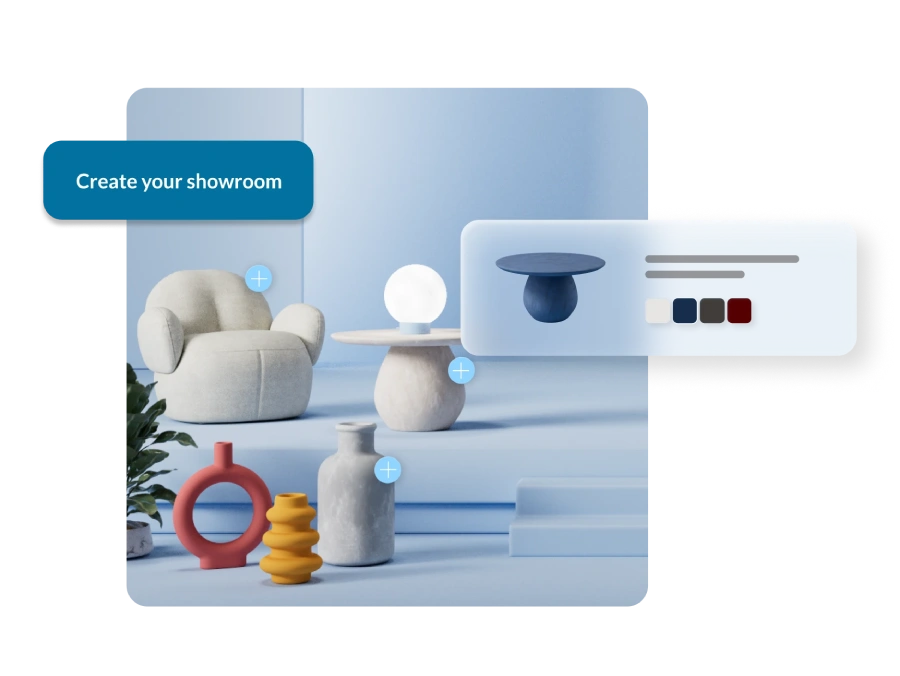
- Auto-Generated Content: The AI scans your POS inventory data and automatically writes SEO-optimized product titles and descriptions.
- Photo Enhancement: It can take a raw product photo, remove the background, and adjust the lighting instantly to make it "studio quality."
- The Goal: To turn a physical shelf into a searchable, rankable Google Shopping listing with a single click.
3. NuORDER Integration (B2B Wholesale)
The update extends beyond the register. For wholesale buyers using the NuORDER platform, Lightspeed AI assists in assortment planning. Buyers can use natural language to analyze their budget, predict sell-through rates, and visualize how new products will fit with their existing inventory.
Industry Breakdown: How It Impacts You
One of Lightspeed's key strengths is its vertical-specific software. Here is how the AI update applies to different business types:
For Retailers (Apparel, Home, Bike)
- Inventory Aging: Ask "Show me all winter coats in stock for more than 90 days" to instantly identify items that need a discount code.
- Staff Performance: Ask "Who was my top sales associate by revenue last month?" to gamify the sales floor.
For Restaurants & Hospitality
- Menu Engineering: Instead of guessing, ask "Which appetizers have high sales volume but low margins?" The AI helps you re-price or remove dishes that are hurting profitability.
- Table Turnover: Analyze peak times to optimize seating charts and server rotation without needing a data analyst.
For Golf Courses
- Pro Shop vs. Green Fees: The AI can correlate weather data with sales, answering questions like "How does rain affect pro-shop equipment sales vs. food and beverage?"
From "Assistant" to "Autonomous Agent"
Lightspeed has been clear that this launch is just step one. The platform is designed to evolve from a basic Assistant (which answers your questions) into an Autonomous Agent.
What is an Autonomous Retail Agent?
Current AI tools are "Assistants"—they wait for you to ask a question. The "Agentic AI" roadmap for 2026 aims to build a system that takes initiative.
- The Future: Instead of waiting for you to ask about low stock, the Agent will notify you: "I noticed we are low on sizes M and L for the 'Summer Tee'. I have drafted a reorder from the supplier. Approve?"
- Why it wins: This moves Lightspeed from being a system of record to an automated operations manager.
Our top picks for April 2026
Comparison: Lightspeed AI vs. The Competition
Many POS providers are rushing to add "AI" buttons, but most are superficial. Here is how Lightspeed’s "Intelligence Layer" compares to standard market offerings like Toast or Square.
| Feature | Lightspeed AI | Generic POS AI Tools |
| Interaction | Conversational: "Show me sales from last Friday vs. today." | Static: "Click here to generate a generic email." |
| Depth | Deep Data Access: Analyzes margins, inventory age, and trends. | Surface Level: Mostly text generation for marketing. |
| Workflow | Embedded: Works inside the POS & wholesale platform. | Disconnected: Often a separate dashboard or plugin. |
| Future Tech | Agentic: Built to eventually take autonomous action. | Reactive: Only responds when prompted. |
Is It Worth It? (Our Verdict)
For high-volume retailers and restaurants, Lightspeed AI is a game-changer. The ability to instantly query data without running reports creates immediate operational efficiency. The AI Showroom alone could justify the upgrade for retailers struggling to get their products online.
However, the "Autonomous" features are still in their infancy. Early adopters should view this as a powerful reporting tool today, with the promise of automation tomorrow.
Pros:
- Speed: Drastically reduces administrative time spent on reporting.
- SEO: Lowers the barrier to entry for professional e-commerce listings via AI Showroom.
- Unified: Seamlessly integrated into the existing dashboard (no new apps to install).
Cons:
- Learning Curve: Requires a shift in habit (staff must learn to "prompt" effectively).
- Data Hygiene: AI answers are only as good as your inventory data; messy data yields messy insights.
For a deeper dive into pricing and features, read our full Lightspeed Review.
Frequently Asked Questions (FAQ)
Q: When was Lightspeed AI released?
A: Lightspeed AI was officially launched on January 9, 2026.
Q: Do I need to pay extra for Lightspeed AI?
A: The features are embedded directly into Lightspeed Retail and NuORDER. Check your specific plan tier, as advanced intelligence features are typically rolled into higher-tier or "Pro" packages.
Q: Can Lightspeed AI actually reorder stock for me?
A: Not yet, but that is the goal. Currently, it acts as an Assistant to identify low stock. The roadmap includes evolving it into an Autonomous Agent capable of executing tasks like reordering in the future.
Q: Is this available for restaurants or just retail?
A: It is available for both. The "Intelligence Layer" spans Lightspeed’s entire ecosystem, including Retail, Restaurant, and Golf.
Q: How does the AI Showroom help my SEO?
A: It automatically writes unique, keyword-rich product descriptions for your inventory. Unique content is a key ranking factor for Google, helping your local products appear in global search results.
Liked this article?
Daniel Zvi
Smart Recommendations


Thank you!